Genre convention
The genre of a film refers to the structural codes put in place that have particular qualities that can be categorised. The genre can be determined through structural codes (plot, character, setting) and/or stylistic codes (lighting, camera, sound). There are numerous film genres (eg. action, horror, comedy), sub-genres (eg. neo-noir, rom-com) and hybrid genres (eg. sci-fi action adventure).
Drama
The drama genre in film is formed by various codes that are used in familiar narratives. Conventionally, drama films put a strong focus on emotional and relational character development. Essentially, the emotional and psychological status of the protagonist is more important than the plot of the film, but more often their psychological status is what pushes the story forward. There is an emphasis on realism, and these films exhibit characters who are conflicted with realistic forces of antagonism oftentimes themselves (eg. A Clockwork Orange).
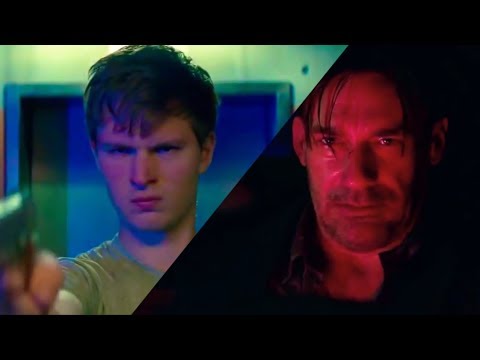
Dramatic films generally utilise low-key lighting to contrast and heighten dramatic elements. For example, in the film Baby Driver.
Baby Driver fits into multiple genres; Action, Comedy, Music, Thriller, Drama, Adventure, Crime. The dramatic elements are present throughout the whole film, and the basic narrative follows a dramatic structure. In the last action scene of Baby Driver, Buddy the antagonist, is hunting down baby in a carpark. Essentially, both characters have some sort of emotional and physical force of antagonism that is holding them back. Buddy wants revenge on Baby, as his wife is dead and Baby has the love he will never have. Baby wants to survive, but he also dreams of escaping with his love interest Debora. The two characters are fighting their mental struggles through physical confrontation. A strong motif runs through the film; the idea of right and wrong. In this shot shown above, the audience can see the colours of the police reflected on both character’s faces; blue and red. Red is often associated with evil, and blue with innocence. The dramatic elements of the film are portrayed through this shot, and the use of low-key lighting reflects both the emotional status of the characters, but also it heightens dramatic elements and engages the audience.
This juxtaposition of colours is a symbolic reflection of the difference between the two characters. Through the use of a red neon light, the audience is able to associate Buddy as the villain. This symbolism through colour and lighting will be a heavy influence on my film, due to the establishment of my character. The neon red is a reflection of the psychological status of the character, and through channeling this technique into my film i will be adhering to the dramatic elements, but also giving a symbolic clue to his morality. The end of my film also focuses on bad becoming good, and the use of the red and blue colours will help this metaphor due to the colours associated with the police.
Neo-noir
This genre is a modern spin off old Hollywood’s film noir. It includes dark twisted tales with a similar style to old noir, but the themes and visual elements are gracefully manipulated. Whereas noir films often focus on crime and the unknown, neo-noir uses these elements while also expressing the psychological impact of characters through colours.
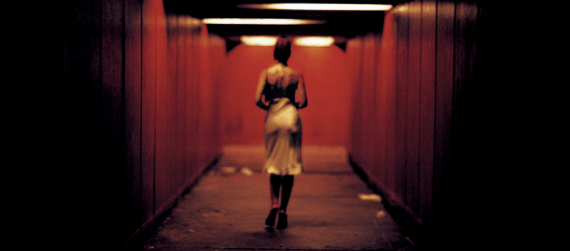
The colours used in neo-noir films are often neon and artificial (eg. Blade Runner, Mulholland Drive, Irréversible). The use of lighting and colour choices make the audience feel more connected to certain characters, and understand the morality of people.
Irréversible
This film also fits into a number of different genres, but the use of lighting for emotion is relavent to the neo-noir genre. Irreversible has a dark twisted tale of sexual violence, revenge and psychological horrors. The film shows a 9-minute long intense rape scene that disturbs the audience. The scene is shot in an underpass, it’s red and dark. The ominous setting and the blocking of the scene is disturbing and physiologically challenging to watch. The red signifies darkness, evil and tells the audience something bad is happening. It adds to the horror of what is happening. The use of colour and lighting that is often seen in neo-noir genre films is extremely important to the formation of my film, and the red evil look is something I will keep going back to in my final product. In essence, the protagonist in my film is faced with a great psychological feat, and he is conflicted with an antagonistic force, himself. The neo-noir genre will help shape my narrative, due to the use of lighting to express emotion and character depth.
 eddingtonpress